
Adoption Trauma, Attachment, and the Lifelong Search for Belonging
Why Adoption Can Hold Both Love and Loss for an Adopted Child
When thinking about adoption, most people think about its beauty and its gifts, carrying the belief that adoption is an opportunity to both “save a child’s life” and “bring happiness to another family” (there is so much wrapped up in both of those things, including saviorism and the burden of expectation placed upon the child), but that couldn’t be further from the whole truth. While there are gifts in adoption, there is also significant trauma, loss, and lifelong challenges (often for all parties involved). You may wonder, “what do you mean?” Or perhaps you’re in the camp of, “oh yeah, that resonates.”
For those of you asking, “what is adoption trauma?” I’m so glad you’re here and open to hearing this perspective, because it’s one that most adoptees, who have introspectively reckoned with the consequences of adoption, hold. Adoption trauma means that the severance of attachment from a child’s birth mother, birth parents, birth family, birth culture, and/or birth country can have harmful impact on the child’s felt sense of safety, security, and belonging through implicit or explicit memory depending upon the age of the child at the time of relinquishment and separation. Please note, while there are definitely some instances in which children may be physically and emotionally safer when separated from their birth family, it does not inherently mean the child brought to safety arrives without a painful loss. This could even look like the loss of the kind of mother they had wished they’d had, as an example.
Understanding Trauma, the Primal Wound, and Early Separation
In other words, the child’s body remembers the security of their first introduction to life on this earth: birth mother/parent’s womb, heartbeat, voice, scent and taste of mother/parent’s diet, and the exchange of cells between the child and mom/parent to support both bodies. When that is severed through relinquishment and adoption, the child can experience significant physiological stress, including elevated stress response and potential long term altered brain development in response to threat, as well as bonding and attachment difficulties.
How Adoption Trauma Can Show Up Over Time
How might this show up for adoptees in early childhood, in teenage hood, and in adulthood?
What does adoption trauma “look like”?
How Trauma Affects an Adopted Child in Early Childhood
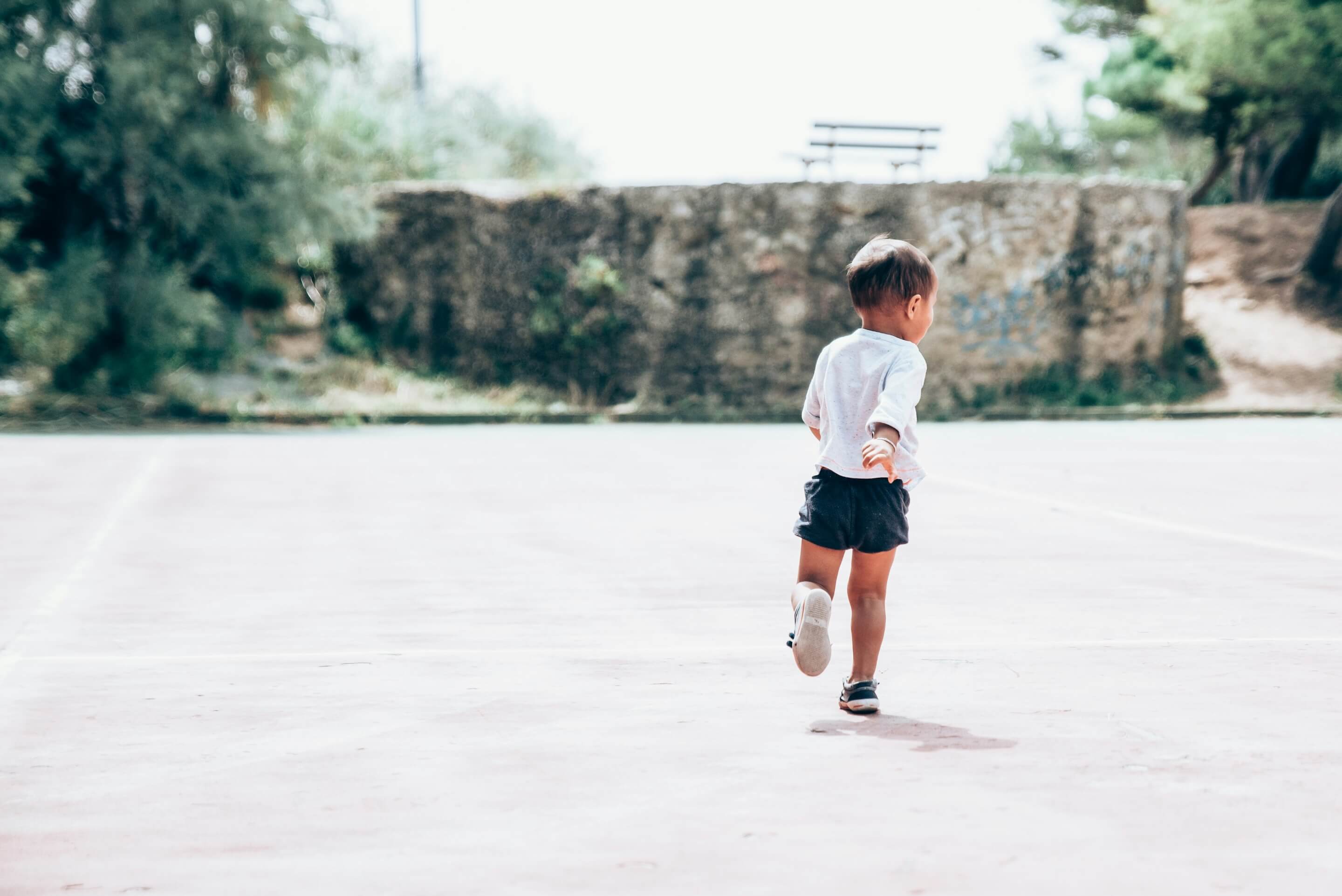
In early childhood, this might present as anxious attachment, meaning the child may experience a lot of fear about being left alone or separated from their parents or anyone very close to them, in fear of being abandoned (again). It may also look like avoidant attachment, with which the child may appear emotionally distant, disinterested in closeness, and preferring independence.
It’s also possible it may show up in a disorganized form, with a desire to be close, yet also fearful of closeness, or a more reactive form, with heightened aggression towards oneself or towards others, or withdrawal. In simpler terms, the child may struggle with truly feeling a felt sense of safety within relationships, due to an early and significant felt memory of disruption in attachment.
Adoption Trauma, Adverse Experiences, and the Teenage Adoptee
In teenagehood, this can look like a lot of things. For all teenagers, adopted or non-adopted, teenagehood is the essential period for inner and outer exploration, challenging and gaining clarity about boundaries, entertaining curiosities about “who am I?”, expressing and mourning grievances about life thus far, finding a community that feels familiar or inspiring, and carrying the burdens of both feeling and relieving suffering.
However, for adoptees, in addition to all of those glorious growing pains, there is an added layer of already deeply knowing a lack of felt belonging, untethered aloneness, and fear of unlovability– more confusingly rooted from a foreign, disconnected, and sometimes unknown place: the severance from their biological family. Conversely, a teenager who has had adverse experiences with their biological family has tangible evidence of why they might feel a particular way, whereas, an adoptee teenager may not have that kind of proof (some may, and others may not, depending on their adoption circumstances). An adoptee may love their adoptive family, have everything they need, yet can still feel a profound loss on an implicit (subconscious, somatic) level, which is extraordinarily confusing. Additionally, if the mainstream narrative around adoption is, “adoption is beautiful,” “you are so lucky to have been adopted, imagine what your life would have been like if not?”, “you should be grateful,” “we don’t see you as any different, you are just part of our family,” adoptees then carry feelings of guilt and shame for having any feelings other than gratitude.
Disenfranchised Grief and the Invisible Pain Many Adopted Teenagers Carry
It can feel like screaming into the void, and not only are you alone, but you may not even have the language or societal permission to identify how you’re feeling. That invisible, often unnamed and unacknowledged, pain is so challenging. It may show up as perfectionism, disordered eating, uncontrollable anger, impulsivity, strong people pleasing, obsession with physical appearances, overwhelming self-consciousness in social settings, anxiety, panic attacks, depression, suicidality, substance use, self-harm, hypersexuality, social withdrawal, isolation, obsessive and compulsive tendencies, and the list goes on. In simpler terms, adopted teenagers are trying their best to navigate the already challenging aspects of teenagehood, but compounded by an invisible pain that is often unacknowledged, unseen, and unknown by the majority of society. The symptoms previously named are an adoptee’s limited efforts to cope and survive.
Adoption Trauma in Adulthood and the Ongoing Path to Healing
In adulthood, many presentations remain as what what was mentioned among teenagers: the perfectionism, the people pleasing, the self-consciousness, the anger, the anxiety, the depression, and so on and so forth. In simpler terms, what was left unaddressed, unacknowledged, and unhealed in childhood and in teenagehood, the adult adoptee then reckons with. With access and the right community, adult adoptees are able to work hard to bring healing to their early severance wounds and to enhance the possibility of living a more empowered, grounded, and sustainable life. An important study to note in all of this, for those who trust science and methodically recorded measurements, is one titled “Risk of Suicide Attempt in Adopted and Non-Adopted Offspring,” which found that adoptees were 4x more likely to attempt suicide than a non-adoptee. If that alone doesn’t raise red flags about the emotional impacts of adoption, I don’t know what else would. And please know, my naming the harmful impacts of adoption does not take away from the authentic love an adoptive parent feels for their adoptive child. None of this negates that, but rather, this part of the story supplements that: adoption has both its gifts and its incredible burdens.
How Therapy Can Help Address Adoption Trauma
What Adoption-Competent Therapy Can Make Space For
Therapy with an adoption-competent, adoption-specializing, and preferably an adoptee, therapist is a safe and nonjudgmental space to explore all that has gone unseen, unheard, and unhealed within the adoptee experience. It is a place to experience emotional resonance, attuned presence, and profound compassion to meet every part of oneself in the ways that one never received in other aspects of life. Therapy allows us to name that which has gone unnamed, acknowledge the unacknowledged with deep care, understand the behavioral and relational patterns that have kept us feeling stuck, silenced, and afraid, and to identify what is truly needed to feel safe, unburdened, empowered, and fulfilled to live a more fully aligned life.
For an adoptee, this may look like naming and understanding the larger systems that have caused harm and contributed to adoption trauma (e.g., white saviorism, U.S. imperialism, racism, etc.), acknowledging and grieving the loss of one’s birth family and birth culture, grieving the loss of the kind of relationship one wishes they could have with their adoptive family, understanding and unlearning internalized racism, identifying healthier ways to be in relationship with other people, learning how to tune into one’s bodily sensations and feelings, learning how to bring healing to the most wounded parts of oneself, and rediscovering one’s inner resources and wisdom that has the capacity to lead a fulfilling life. It is deeply healing to be held and heard in a therapeutic space, and I can fully attest to its possibilities, as an adoptee who struggled enormously to then discover (through having an adoption-competent therapist) that a greater felt-sense of safety, inner empowerment, and healthy relationships were possible.
Address Adoption Trauma Without Pathologizing the Adoptee
In my own personal therapeutic experience, the most significant shift happened when I had a therapist who didn’t pathologize me, but rather saw me as a human being and as an adoptee with many complex layers. With this therapist, I discovered that the feelings and behaviors I’d been carrying were not pathological, but rather, very reasonable and understandable survival mechanisms when looking at the full context. It was like my whole body could take a huge sigh of relief. “Someone is finally open to really hearing me,” which then, through many years of processing and unburdening, became, “I deserve to be heard.”
CULTIVATING CURIOSITY: After reading this article, how has my perspective shifted towards understanding adoption? As an adoptee or an adoptive parent, what resonated with me and what didn’t? What felt uncomfortable for me to read and why? What felt affirming for me and why?
Related Resource
Child Welfare Information Gateway: The Impact of Adoption
https://www.childwelfare.gov/resources/impact-adoption/
Center for Adoption Support and Education, C.A.S.E.
https://adoptionsupport.org/
National Directory of Adoption Competent Professionals
https://adoptionsupport.org/national-directory
IFS Institute: What Is Internal Family Systems?
Child Welfare Information Gateway: Parenting Your Adopted School-Age Child
https://www.childwelfare.gov/resources/parenting-your-adopted-school-age-child/
Terms Defined
Adoption Trauma
The emotional, relational, and physiological impact of separation from birth family, birth culture, birth country, or early attachment figures.
Felt Sense of Safety
A body-based experience of feeling secure, grounded, and safe within oneself and in relationships.
Implicit Memory
Memory held outside conscious recall, often experienced through body sensations, emotional reactions, relational patterns, or instinctive responses.
Attachment
The emotional bond between a child and caregiver that shapes how safe, secure, and connected the child feels in relationships.
Adoption-Competent Therapy
Therapy provided by a clinician who understands the complex grief, identity, attachment, cultural, racial, and family-system issues connected to adoption.
Pathologize
To frame a person’s feelings or behaviors as signs of something “wrong” with them, instead of understanding those responses within the full context of their lived experience.